
The British-German Future Leaders Programme on Democratic Resilience aims to convene and inspire future leaders in Germany and the UK who are acting to strengthen democratic freedoms. It is held in partnership with the Goethe-Institut and the Hertie Foundation.
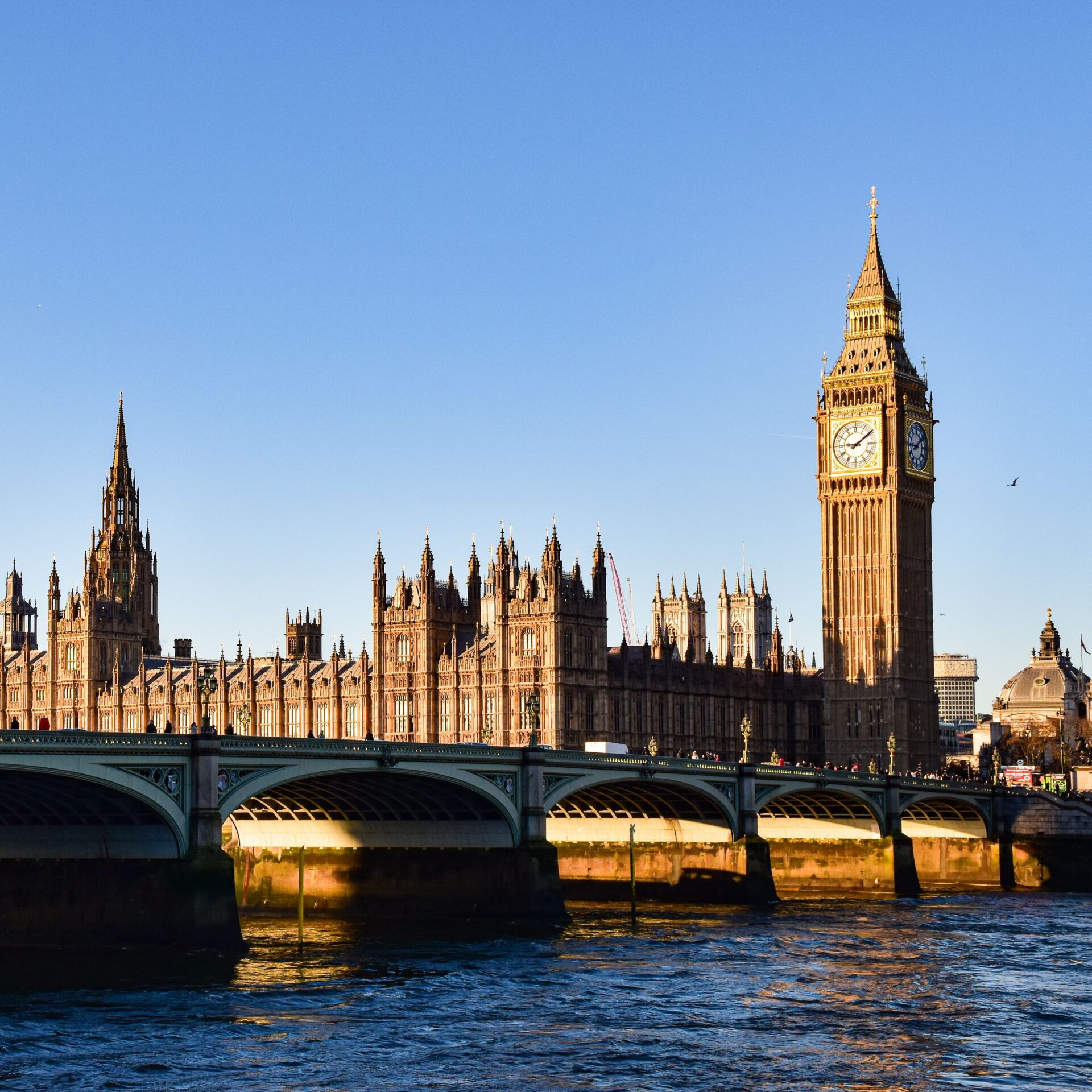

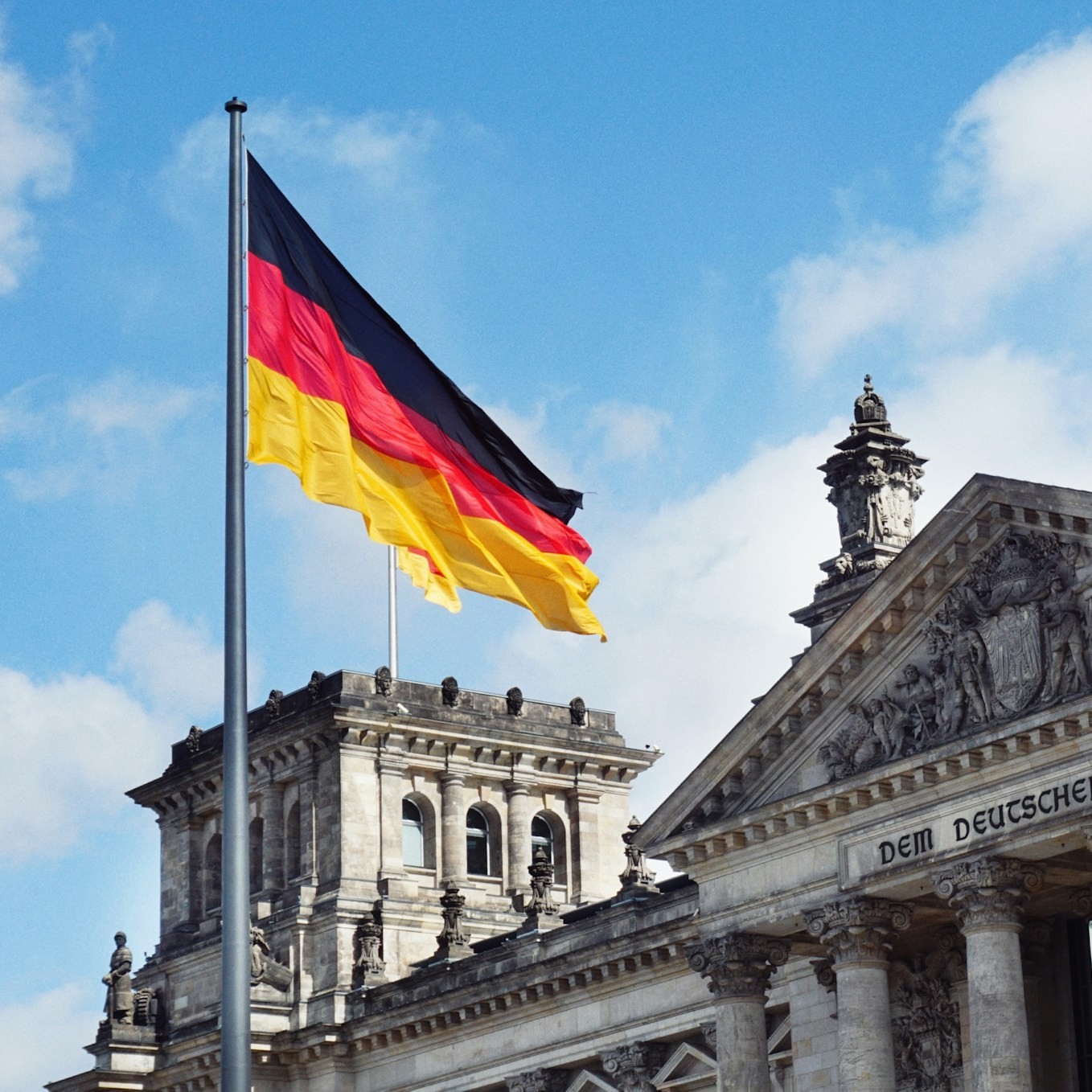
Location: Cumberland Lodge, Windsor Great Park + online sessions
Programme dates: 1-4 April 2027
Cost: Travel bursaries available. Food and accommodation costs covered by the programme.
About the programme
The programme is built through friendship between nations whilst Europe’s open democratic societies are under threat. The programme aims to deepen participants’ understanding and knowledge regarding democratic resilience. The leaders will be equipped to share ideas and practices to respond to challenging geopolitical impacts in work and society, rising polarisation and division in communities, and issues that fuel conflict and fragmentation in society such as inflammatory rhetoric, mis- and dis-information, attacks on community and civil liberties, and hybrid threats.
Through expert-led working sessions, masterclasses, international knowledge exchange and deep dialogues, participants will design new solutions and work collaboratively on initiatives that foster democratic and peaceful society. Through an annual residential at Cumberland Lodge, the UK’s home of dialogue for peace and social cohesion, they will join a cohort of UK and German professionals working across diverse fields on the ‘how’ as well as the ‘why’ of addressing the challenges facing democratic society. Engaging in person and through online discussions, they will share their professional and lived experience within a safe and inspiring forum, gain insight into different approaches, and form new professional alliances to address the questions surrounding the future of democracy.
Content
The programme will cover the following:
- How to build external resilience
in the face of disinformation, foreign interference, hybrid threats.
- How to build internal resilience through institutions
Political divisions, erosion of institutional trust and lack of leadership.
- How to build societal resilience
Civic engagement, media literacy, shared democratic culture.
Participants will work together to co-design solutions and form a shared pan-European agenda of action, inclusive of:
- An Immediate Action Agenda: concrete, short-term initiatives to strengthen democratic resilience within participants’ respective sectors, initiatives or areas of work.
- A Future Leadership Agenda: strategic perspectives to shape German-British relations and foster democratic resilience in future leadership roles, developing shared values and networks.
Beyond this, the programme marks the inception of a cutting-edge German-British network. Over four years, we will build a network of 200 professionals united in strengthening democracy and maintaining peaceful, collaborative societies. Each cohort will represent a different sector which is critical to sustaining the European way of life.
This is an opportunity for bilateral relationships connecting peers in their field of expertise, as well as for the restoration of international networks for knowledge exchange across other sectors.
Participant specification
We are inviting referrals from organisations for participants who will be future leaders on this agenda. We are looking for participants who can discuss the ‘how’ of interventions, as well as the strategic and conceptual side of this agenda. If you’re interested in participating, please get in touch with us.
For questions in the UK please email programmeteam@cumberlandlodge.ac.uk
For questions in Germany, please email Dr Jan-Jonathan Bock, Head of Berlin Office, Hertie Foundation, on BockJJ@ghst.de
About the Goethe-Institut
The Goethe-Institut is the cultural institute of the Federal Republic of Germany with a global reach. With 154 institutes in 100 countries, it promotes knowledge of German abroad, encourages international cultural exchange and conveys an image of contemporary Germany. The Goethe-Institut’s ties with partner institutions in many other places give it about 1,100 points of contact around the world.
About the Hertie Foundation
The work of the Hertie Foundation focuses on two key issues: brain research and strengthening democracy. The foundation’s projects and initiatives provide best-practice examples and inspiration within these areas. A strong, secure and united Europe is another key focus of its work. In addition, the Foundation is involved in funding projects to combat anti-Semitism and to support Jewish life in Germany. The non-profit Hertie Foundation was established in 1974 by the heirs of the department store owner Georg Karg and is today one of the largest ideologically independent and entrepreneurially unaffiliated foundations in Germany. The name “Hertie” goes back to Hermann Tietz, co-founder of the department store group of the same name at the end of the 19th century.